How to Block Windows Update
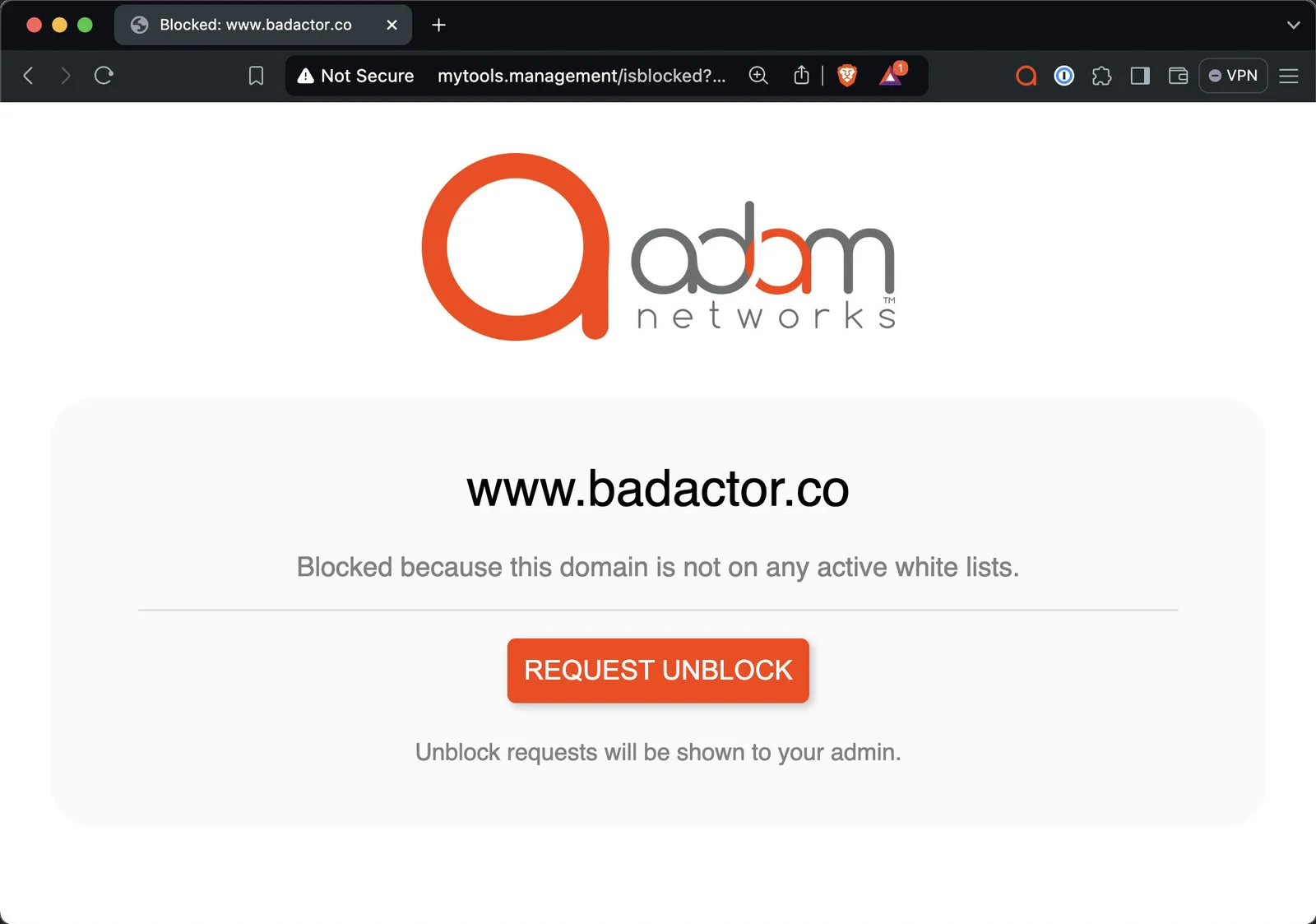
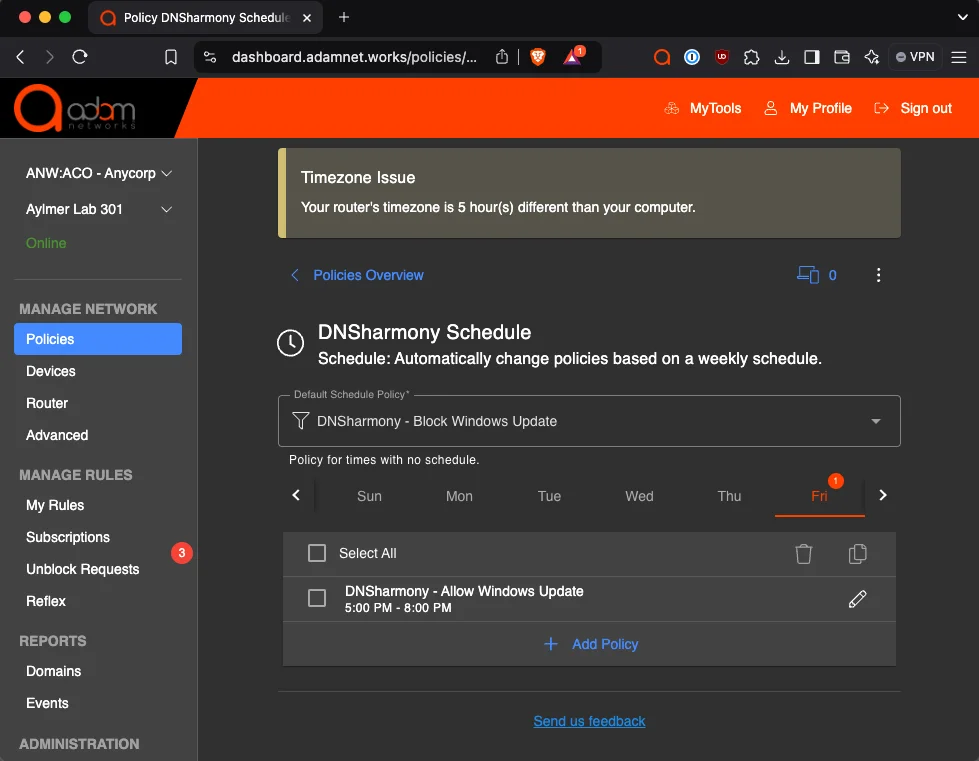
How to control when Windows Update can run with a short adam:ONE blocklist, either switched off by hand for maintenance or opened automatically by a weekly schedule, for endpoints that cannot run an agent.
Perspectives
Technical perspectives on DNS, Zero Trust Connectivity, and modern network defense.
13–24 of 24
RSS
How to control when Windows Update can run with a short adam:ONE blocklist, either switched off by hand for maintenance or opened automatically by a weekly schedule, for endpoints that cannot run an agent.

Twelve DNS attacks every security team should know, from hijacking and cache poisoning to tunneling, DGAs, rebinding and port 53 abuse, with where adam:ONE has a role in each and where it does not.

A checklist for DNS resilience: high-availability resolvers, multiple Active Directory DNS servers, DNSharmony resolver sets, separate ISP circuits, split resolver pairs and the monitoring that catches failures.

Attackers living off the land use legitimate remote access tools as ready-made C2 channels. A researched list of tools blockable by DNS and DTTS, the self-hosted ones that need Zero Trust Connectivity, and how to allow your own.

Phishing operators now hide their sites from sandboxes by serving only mobile carrier IP space and mobile browsers. How that extends a phishing site’s life, and how adam:GO and adam:OSN still protect mobile devices.

How adam:ONE offers DoH and DoT to internal devices through Discovery of Designated Resolvers, encrypts upstream queries, and uses DTTS so encrypted DNS stays a policy control plane rather than a bypass.

NXDOMAIN, 0.0.0.0, a dedicated block-page IP or the internal gateway: how protective DNS resolvers answer a blocked query, what each method means for users and SIEMs, and how adam:ONE DNSharmony combines them.

How Microsoft’s Zero Trust DNS compares with ADAMnetworks Zero Trust Connectivity, the five ways Windows endpoints can operate, and why gateway and endpoint enforcement work best from one policy pane.

Which services are safe to expose through a port forward, which are not, and two ways to make IoT devices, cameras and controllers remotely reachable without exposing them to the whole internet.

David Redekop and Francois Driessen examine Telegram’s security, privacy and harmful-content risks, from broadcast-scale channels and deepfake bots to its use as a malware command-and-control channel.

A step-by-step method for benchmarking DNS performance behind an adam:ONE gateway with GRC DNS Benchmark, including the temporary firewall rules DTTS needs and a video walk-through on pfSense.

How Apple Private Relay routes Safari traffic through two relay layers, why it removes network security and content filtering, and how adam:ONE answers mask.icloud.com with NXDOMAIN to keep protection in place.